
Meet our Adaptive Electrification Platform
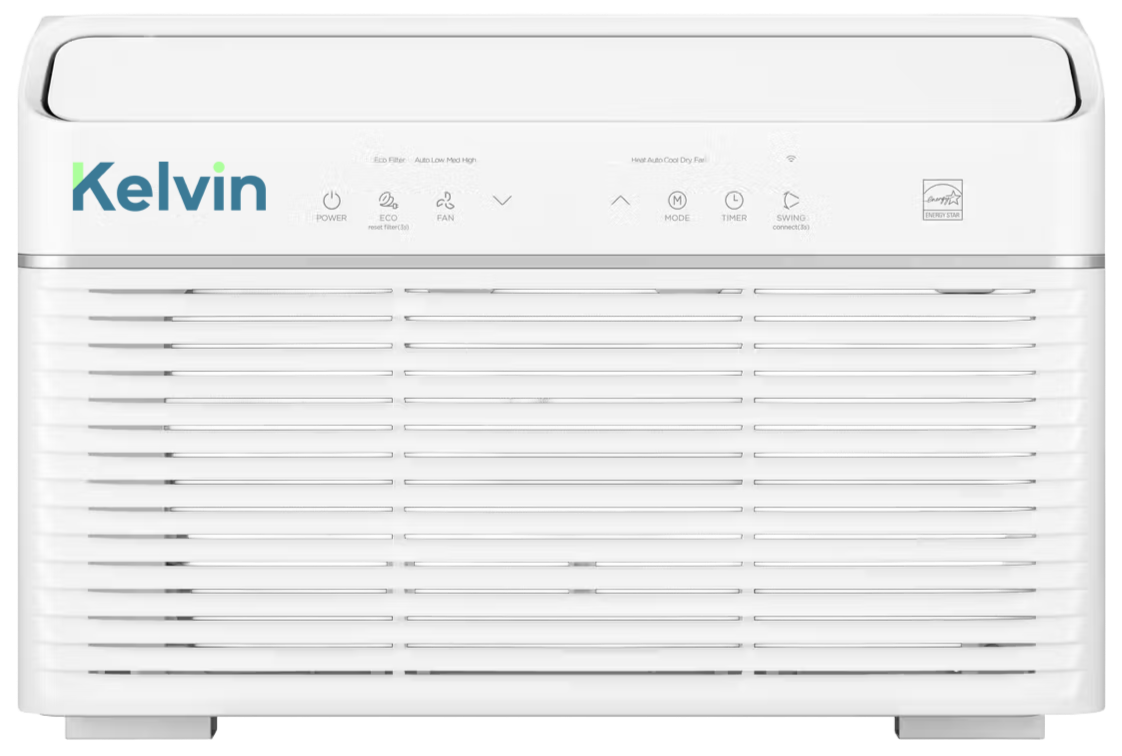
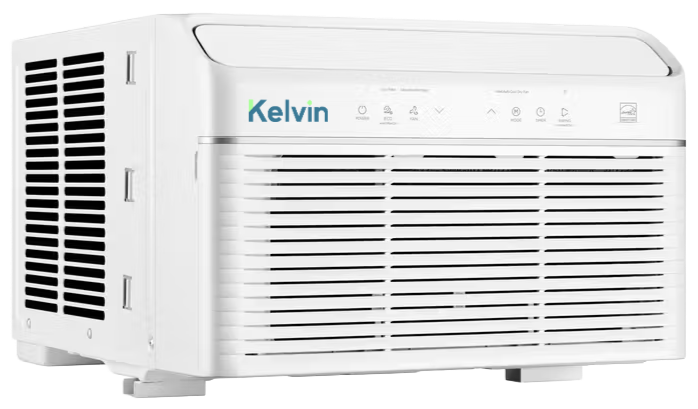
What is it?
Adaptive Electrification is a heating and cooling approach that replaces window and through-wall ACs with window and through-wall heat pumps that are networked to a control platform. Adaptive Electrification reduces heating fossil fuel use by up to 60%, enables participation in utility programs like time-of-use pricing and demand response, and allows tenants to use electric heat when efficient and boiler heat when needed.
Benefits:
Reduces fossil fuel use by up to 60%
Enables participation in utility programs like time-of-use pricing and demand response
Installs without construction, rewiring, or tenant disruption
Specs:
Non Cold-Climate standard 115-120V heat pump
Window or sleeve heat pump for cooling or heating above 40 degrees Fahrenheit
Energy Star certified
As quiet as 45 dBA

Compatible with:


Through-wall sleeve
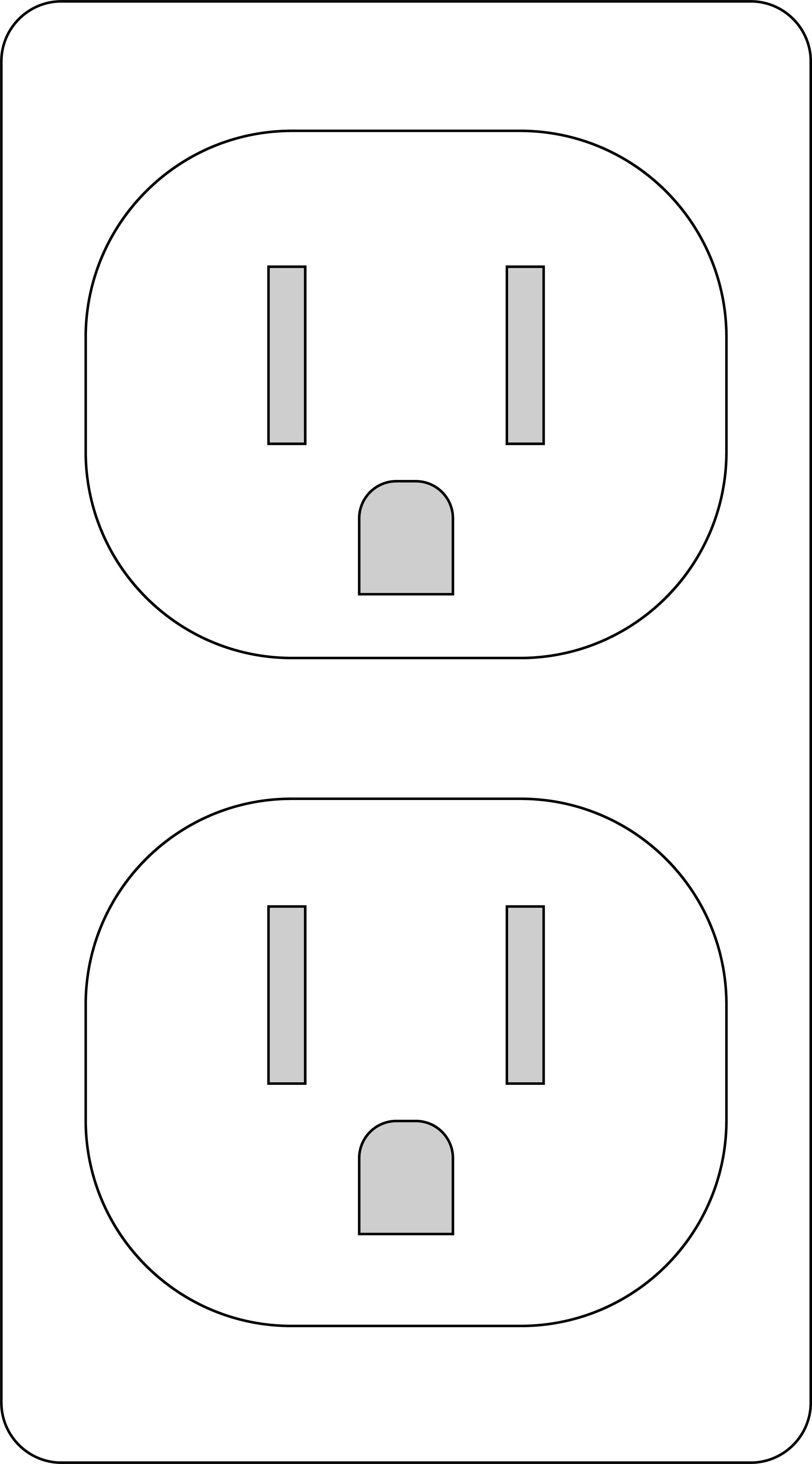
115 volt outlet
Double hung windows
Just two easy steps away
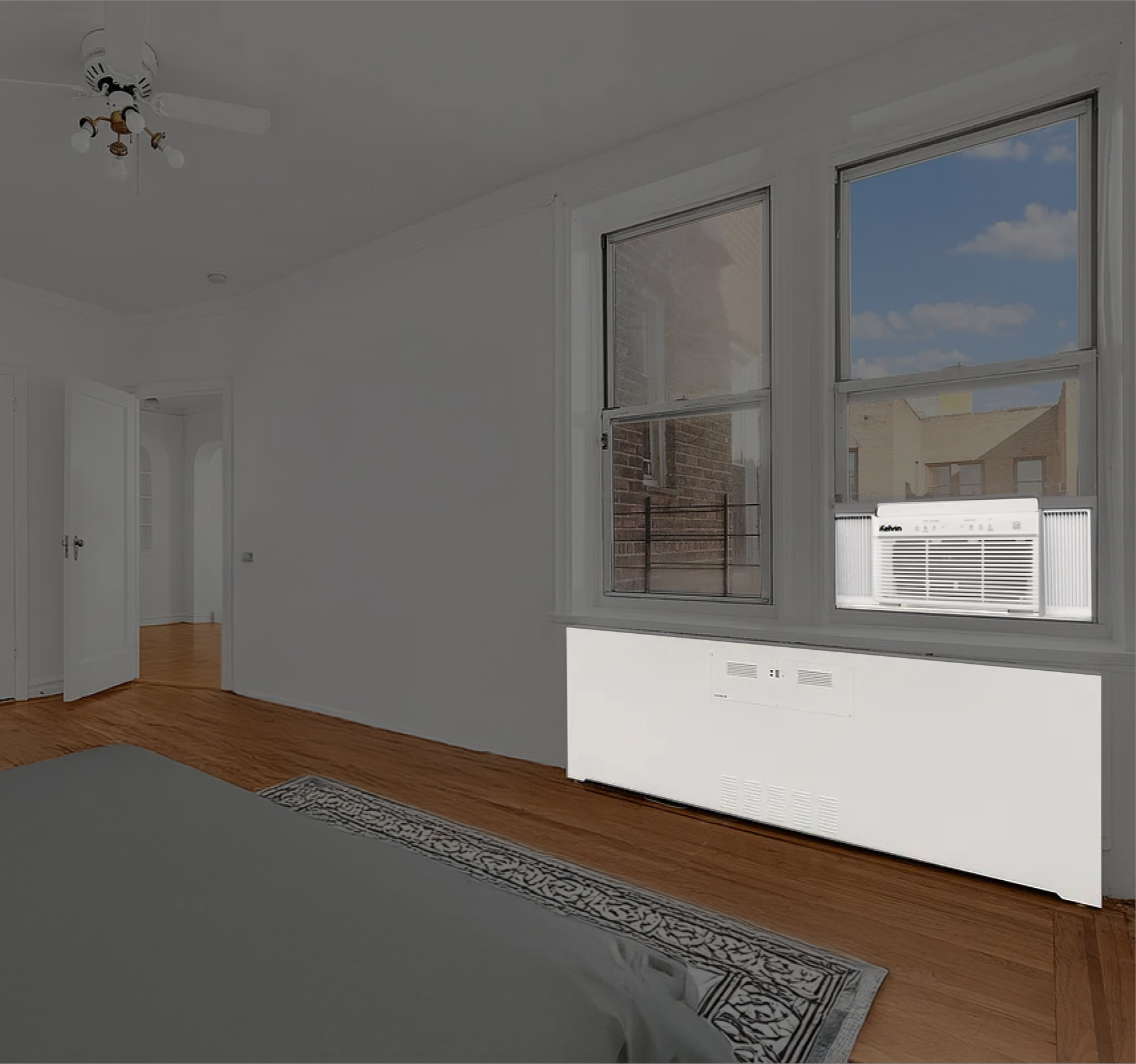
Step 1:
Install our window heat pump and connect it to the Kelvin IoT. By installing the heat pump, residents will then be qualified for utility programs like time-of-use pricing and demand response.
Step 2 (optional):
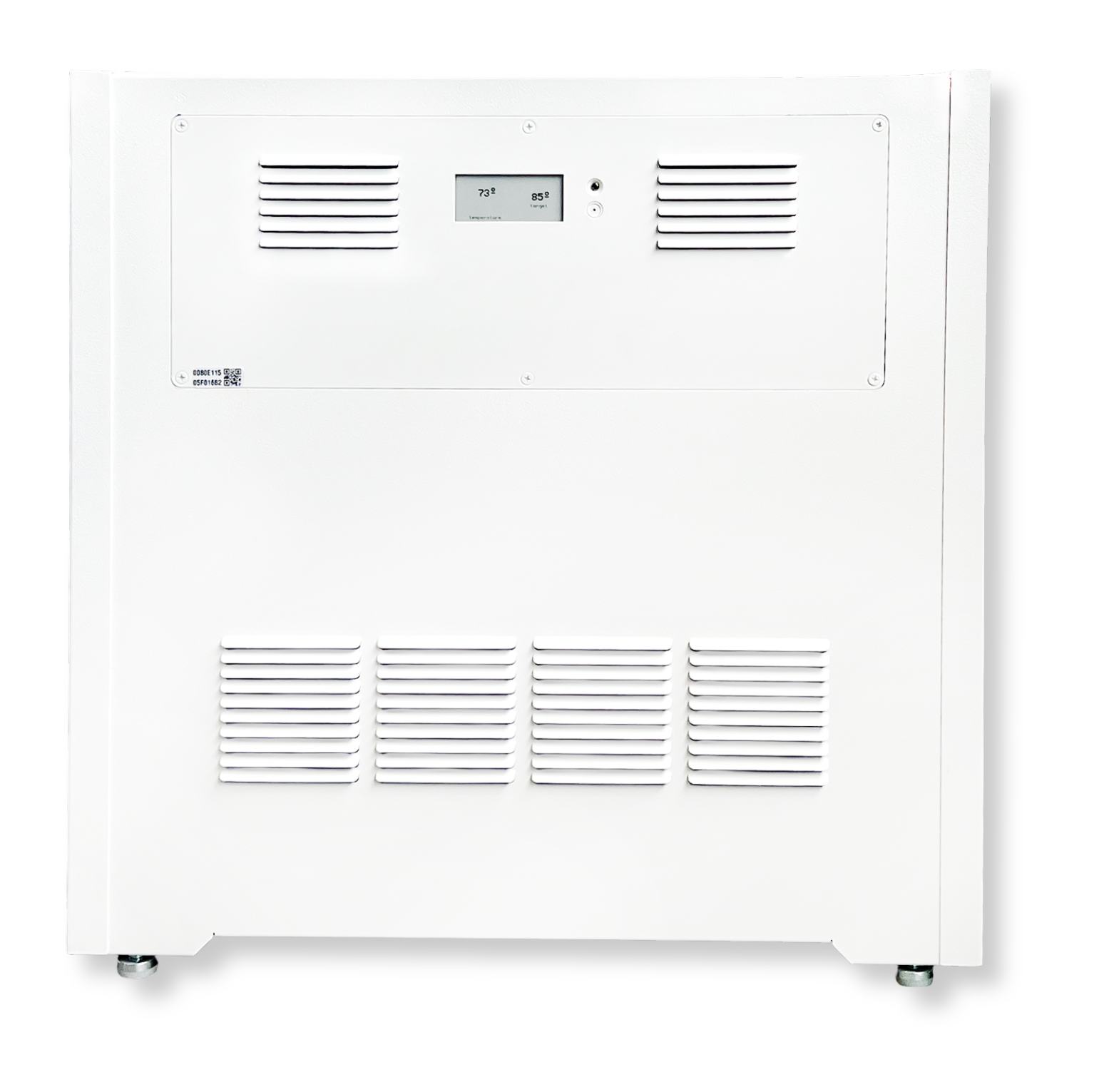
Install the Cozy. This allows for boiler optimization for the times when the weather does fall below 40 degrees Fahrenheit and the building has to rely on the existing boiler system for consistent heating.